
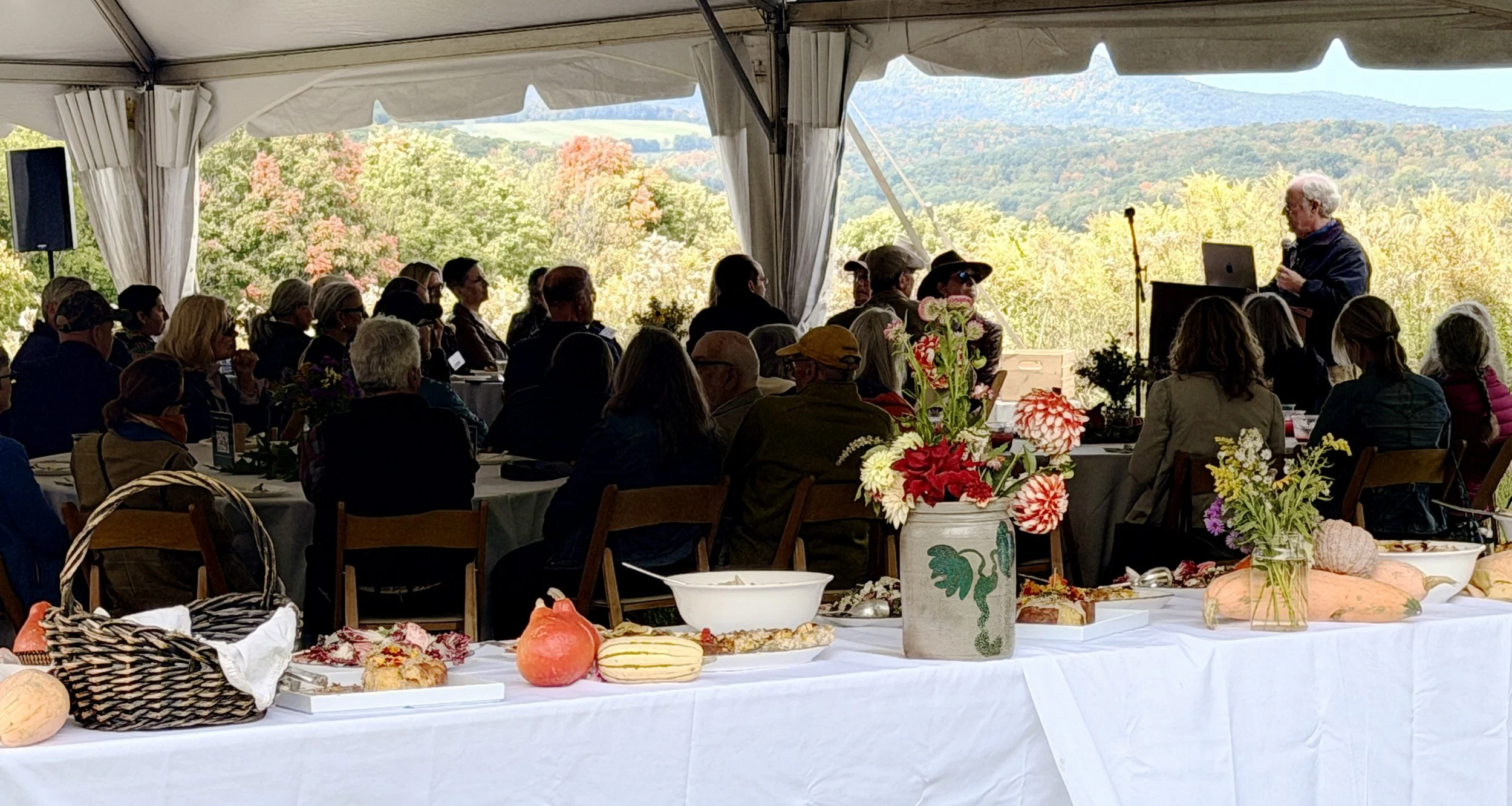
I’m a big fan of Doug Tallamy. His research on the interactions between insects and plants has changed the way I view gardens and practice gardening. A few weeks ago I had the opportunity to attend an event to hear Doug speak and support the organization he co-founded, Homegrown National Park.
The event was held on a beautiful Hudson Valley property where the owners have been mindfully restoring their land in support of biodiversity. Despite the fact that the title of this event was ‘Work in Progress: Toward Native Fields,’ Tallamy’s talk included some facts that are relevant whether we are stewarding several acres, caring for a typical suburban yard, or living in an urban setting with a small container garden.
Fact #1: Over 85% of US land east of the Mississippi is privately owned. Tallamy said, “Property owners are the hope of conservation.” I would add that renters can also play a role. Regardless of the size of our garden, we can contribute to what he calls ‘biological corridors’ by adding native plants. These stop-over points in between parks and nature preserves support insect and bird populations. Through collective action we can make a difference “one yard at a time”.
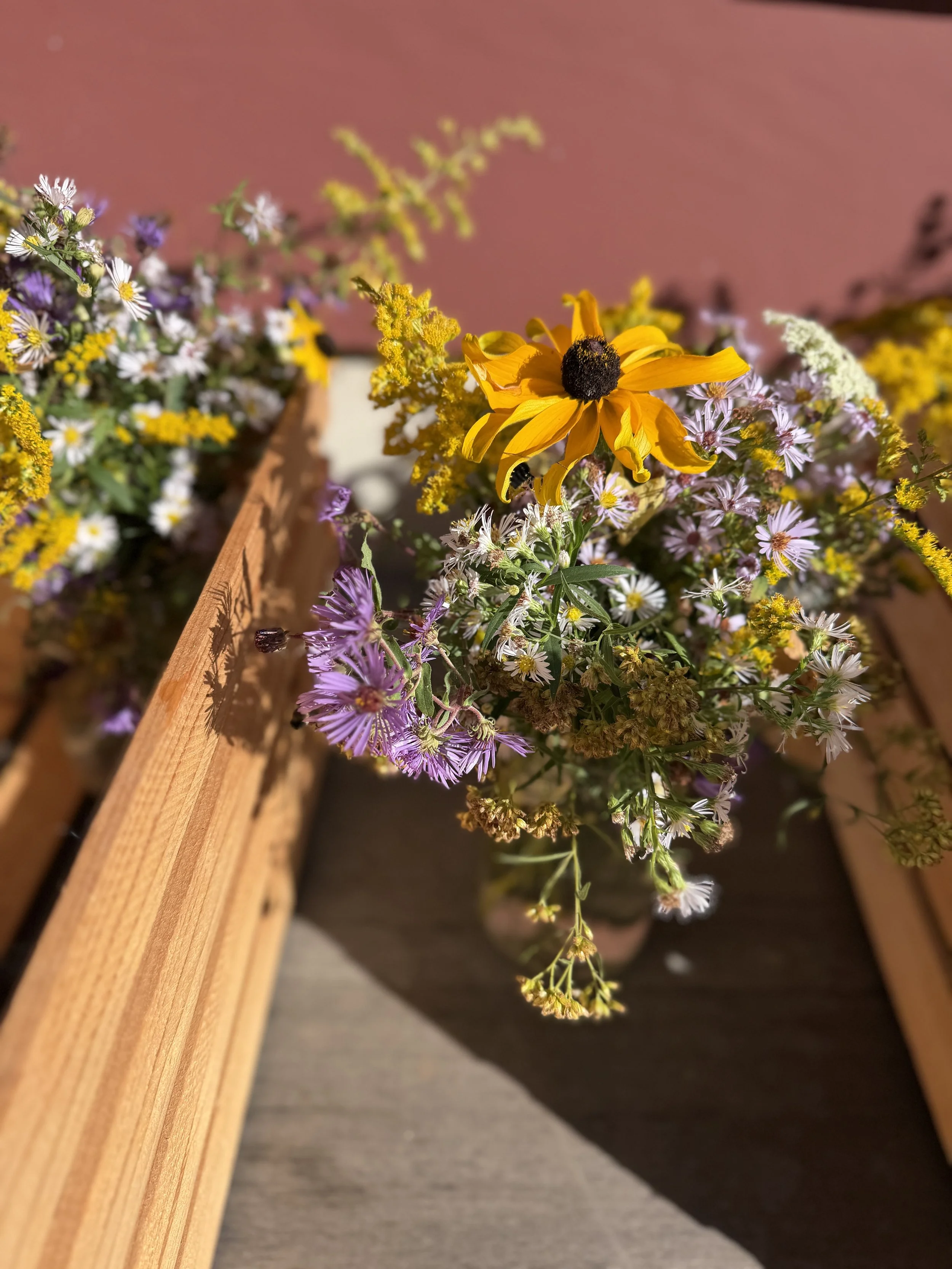
The centerpieces at the event included native plants gathered from the area
Fact #2: Outdoor lights, especially white lights, are a major contributor to insect decline. Artificial white lights attract insects, causing them to die due to exhaustion, increased predation, dehydration or incineration. In addition, these lights disrupt insect lifecycles and their ability to communicate. The solution is simple. Switch to yellow or amber LED bulbs that are motion activated.
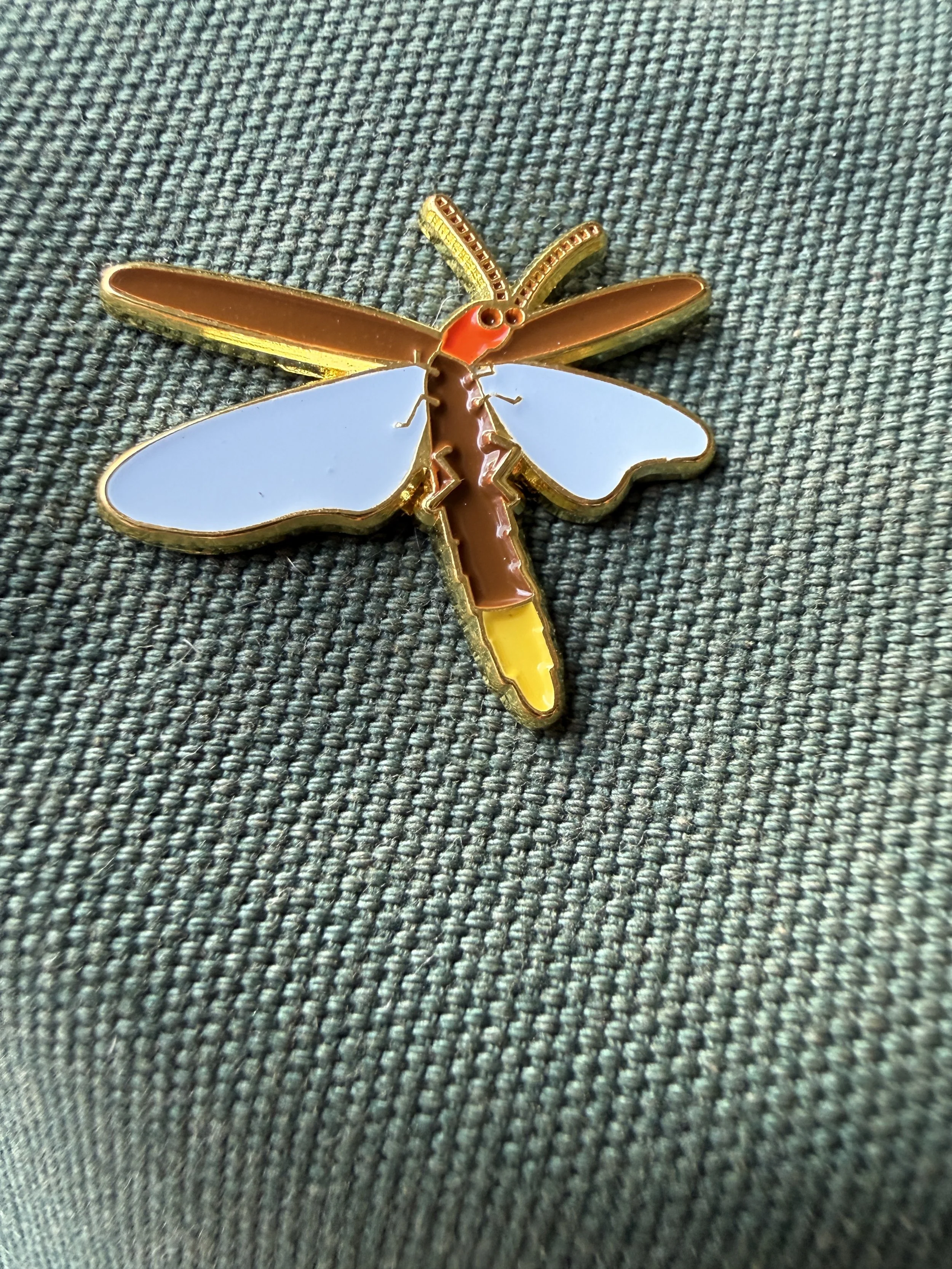
The firefly is the official symbol of Homegrown National Park because a “firefly’s glow might be small, but it cuts through darkness and shows the way forward”.
Fact #3: Our properties aren’t like Vegas. Tallamy explained that, unlike in Vegas, what happens on our properties doesn’t stay on our properties. So if we have plants that spread and cause ecological harm - AKA invasive species - the surrounding area is impacted. Of course the first step in this process involves identifying our plants and understanding their behaviors. Then comes the process of effectively removing them. We can also advocate for states to ban the sale of invasive species.
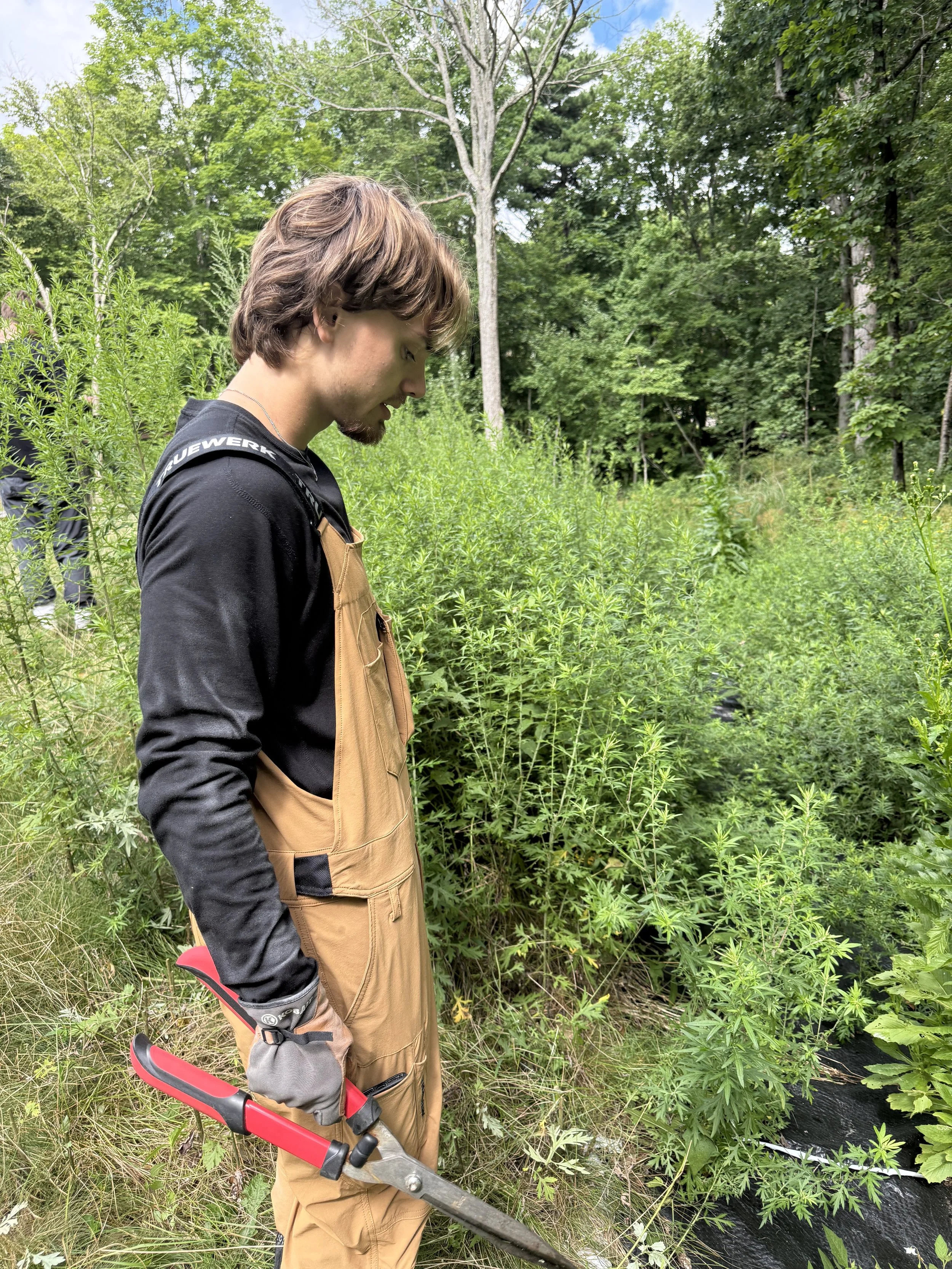
On our Hudson Valley property we’ve been dealing with mugwort through a combination of timed cutting, hand-pulling and smothering.
Another example of how our yards are interconnected is in the use of insecticides. For example, the process of fogging for mosquitoes kills insects such as native bees, butterflies, moths and ladybugs. There is no way for these chemicals (even those labeled as ‘organic’) to discriminate by species. In addition, the runoff affects local waterways and residues remain on leaves for weeks. Homegrown National Park provides instructions on how to control mosquitoes in your yard through multiple strategies.
Overall, the message of the event was ‘work in progress.’ As we continue to learn, we can modify our practices to create habitats of varying sizes that contribute to healthy ecosystems and support life. We can do this one acre, one yard, or one container at a time.