
What I Mean by Persistent
“There are three phases to any garden’s evolution and development: design and conception, establishment, and persistence.” - Kelly D. Norris, ecological horticulturalist and landscape designer
Persistent is one of those words that can have a positive or negative connotation. Some people associate the word with something or someone annoying that won’t go away (a persistent cough or that persistent salesperson). While others think of it in terms of a determined action or simply something that lasts (she was persistent in her job search or a plant with persistent blooms).
The root word ‘persist’ comes from the Latin ‘persistere’ which means to continue steadfastly. In short, persistent means to keep going. I chose that word because it felt right - it connects to my approach to gardening and my desire to help others recognize gardening as a practice that involves ongoing learning. I also hope that the word reminds people that gardens themselves are persistent and dynamic. They are spaces full of evolving, living things rather than static products. The name isn’t meant to intimidate but to inspire. Being a ‘Persistent Gardener’ doesn’t require toiling away or a special set of knowledge. Instead, it invites a person to engage with their “garden” (whatever that is for them) over time and with intention, to enjoy what’s present and to persevere when things don’t go as you expected.
To persist in planting
To persist in nurturing
To persist in observing
To persist in learning
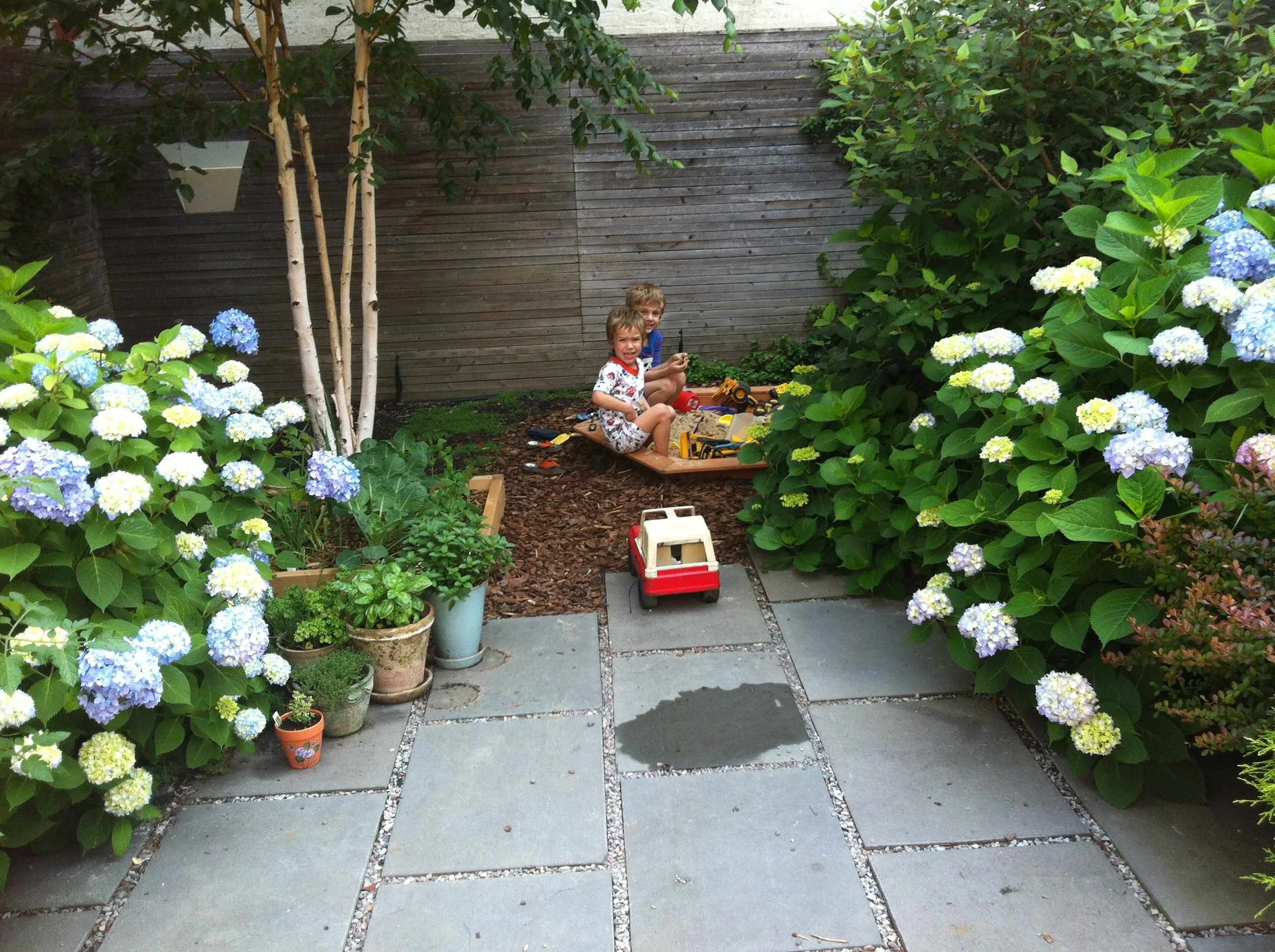
Take my small Brooklyn backyard as an example of a changing landscape and ‘persistent gardening’. Shortly after we moved in, we hired a garden designer to transform a patch of broken concrete and weeds into a usable garden. At the time I didn’t think about gardening in support of pollinators or other wildlife. I wanted something pretty and easy.
And, because I had small children and a previous severe reaction to a bee sting, I asked for plants that wouldn’t attract bees (something I’m somewhat mortified by now!) The result was an aesthetically pleasing, heavily used space but with little ecological value.
Over the years, some plants thrived and others failed, the kids stopped using the sandbox, the tree grew so that there wasn’t enough sun to grow vegetables, and we got a dog that used the space more than any other family member. The garden changed because our needs changed and it changed because plants are continually changing. It also changed because of choices and actions on the part of the gardener (me!)
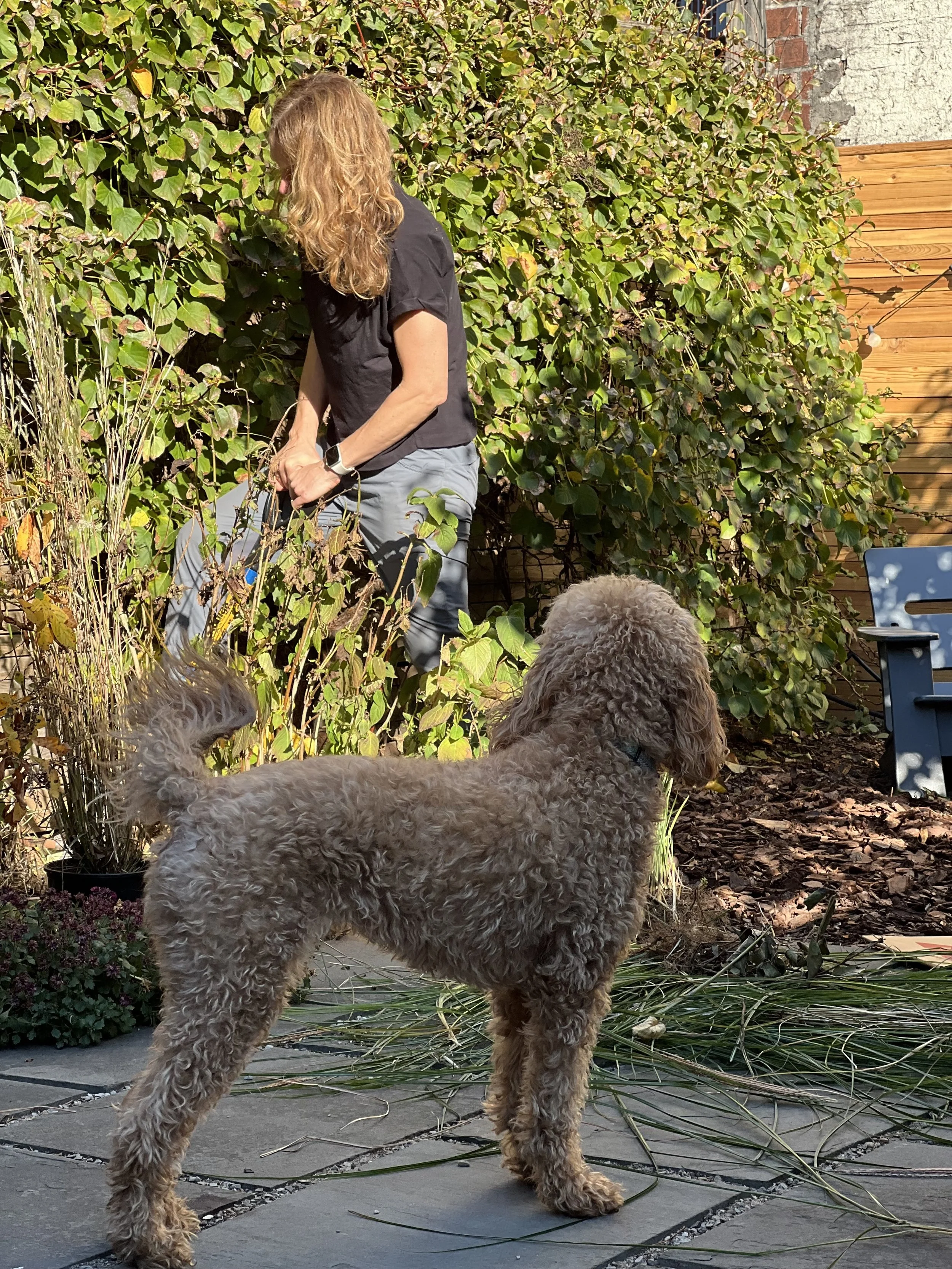
For years I dutifully did the tasks I associated with gardening. For the most part I felt productive and it brought me joy. There were also mistakes, frustrations and surprises along the way. For example, I didn’t know how to prune correctly so shrubs became overgrown and unhealthy.
When I started the horticulture certificate program at the Brooklyn Botanic Gardens and began reading about ecological gardening practices, I started thinking more about the relationship between biological diversity and environmental impact. Gardening started to be less about WHAT and HOW and more about WHY.
I made changes to what was planted and how I cared for them. I added native plants and removed those that cause harm, I left leaves for overwintering bees and seedheads for birds, and I started recognizing the insects as welcome visitors rather than pests. My gardening practices became less about completing tasks on a checklist and became more mindful and rooted in purpose. I spend less time weeding and more time planting. I spend less energy worrying about deadheading and more energy observing what’s visiting those blooms. I now see my garden as a living laboratory which brings a different type of satisfaction than all those hours of weeding.
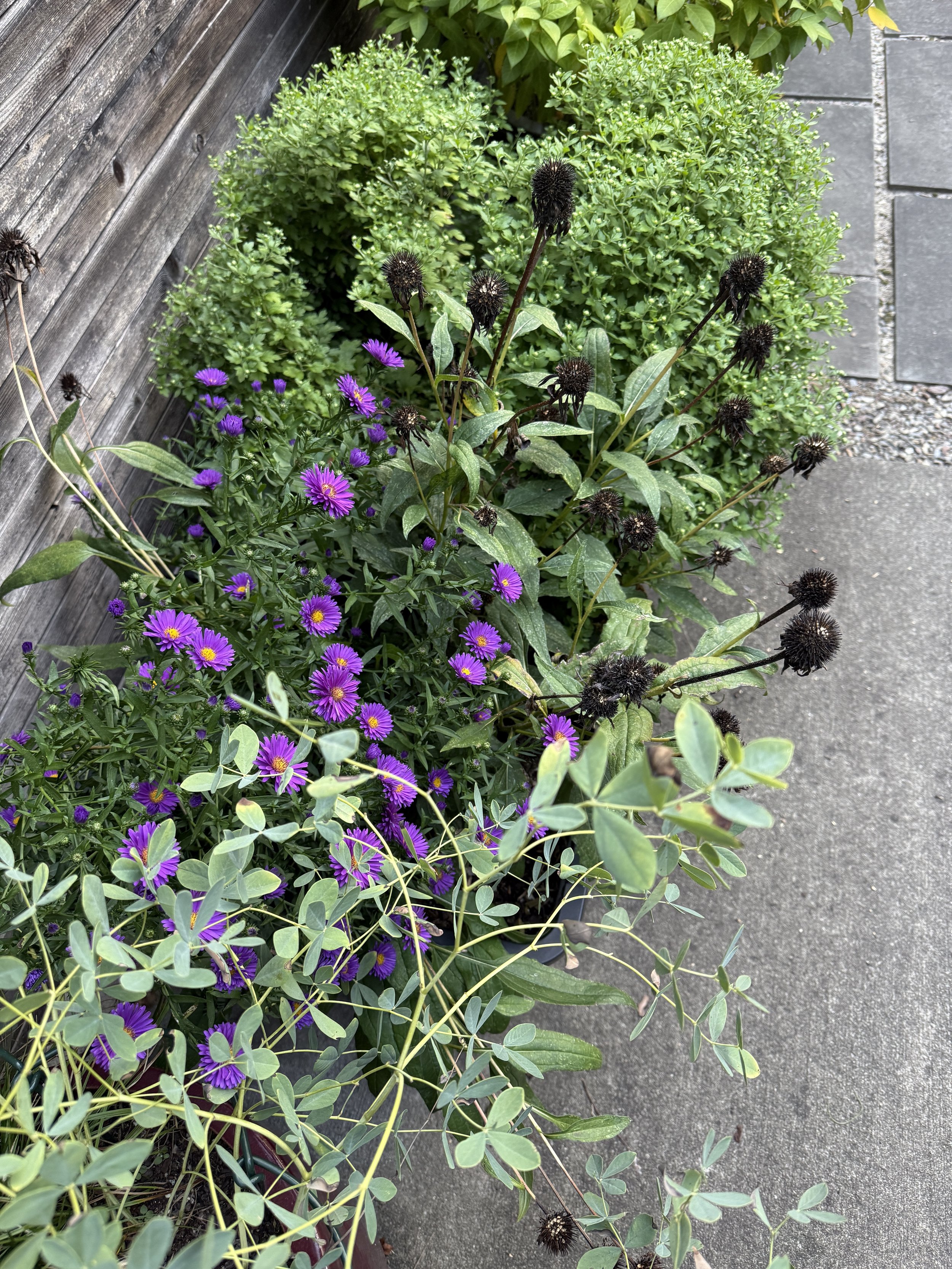
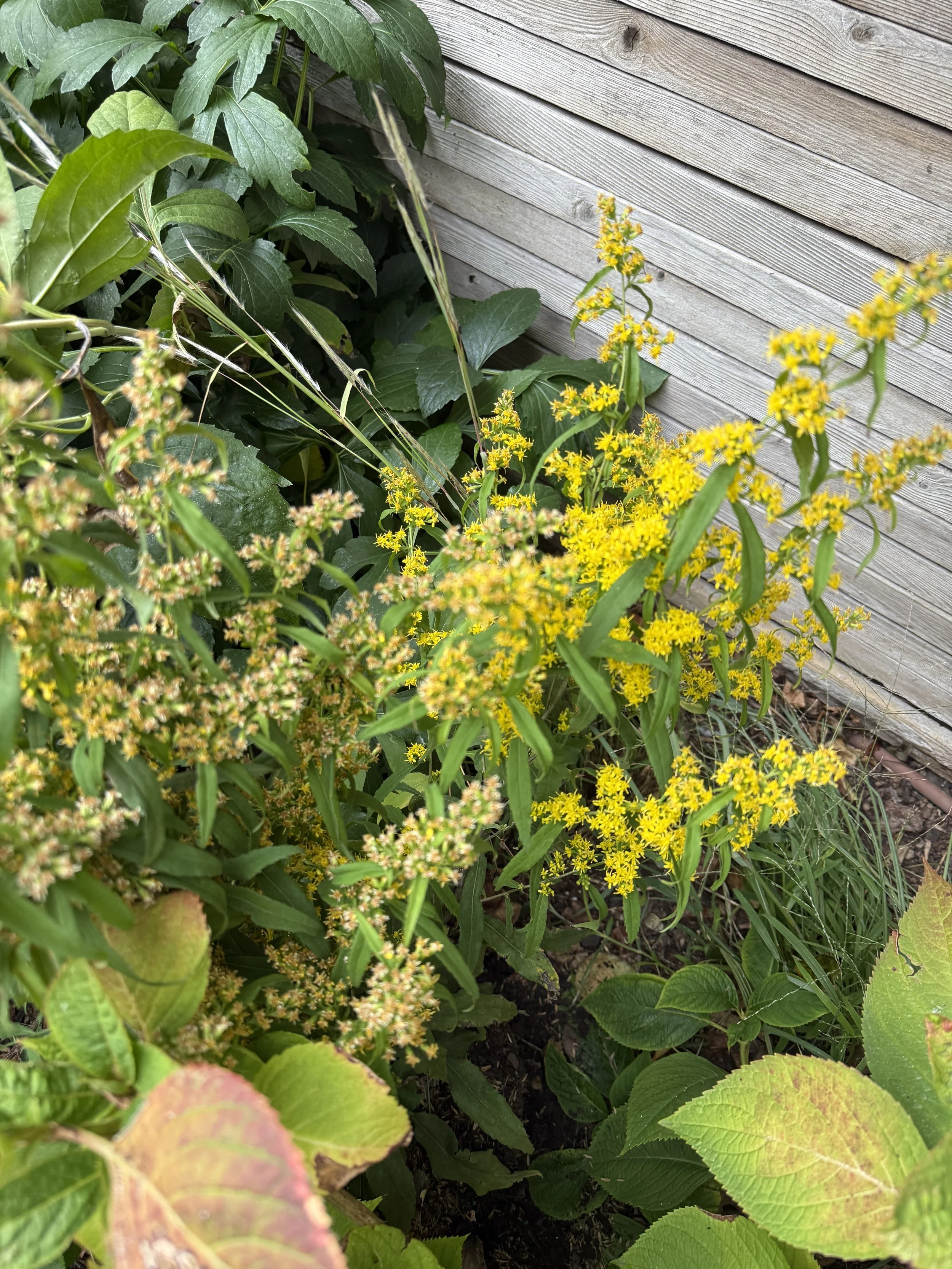
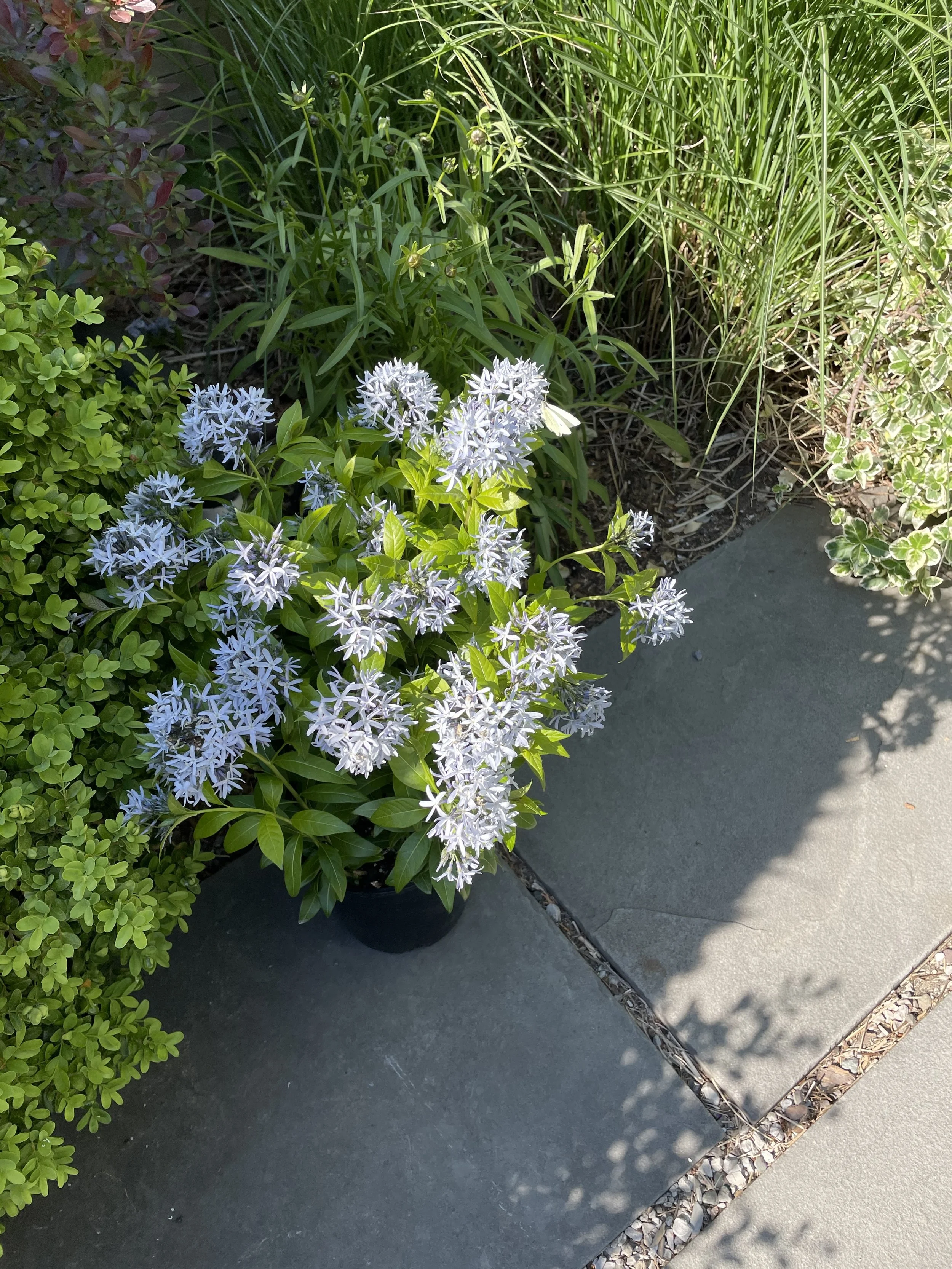
That’s the story of one garden. The story is rooted in place and purpose. And the story continues–it persists. The story of your garden might be quite different.
I hope that the name Persistent Gardener doesn’t scare you! I hope it inspires you to want to get outside this spring and plant something. I’m here if you want any guidance or support.