Leave the leaves (somewhere)
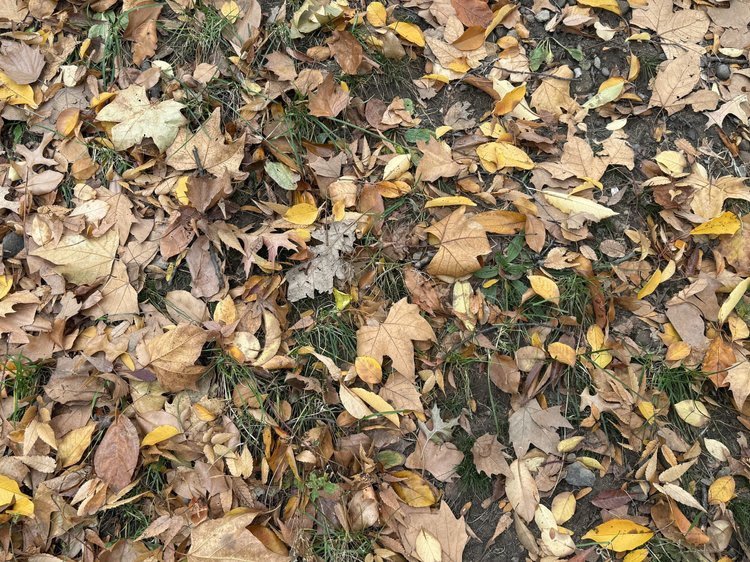
Fall is a particularly challenging time in terms of the messaging around garden tasks. I wish I could give you a simple checklist of ‘5 things to do in your garden this fall’ but to do so would be misleading and oversimplified. So, what I’m offering you is an example from a client where best practices in ecological gardening involved rethinking. My hope is that in offering this small case study, you’ll recognize the impact of practices and the importance of assessment.
The Leave the Leaves campaign advocates for leaving fallen leaves on your property to provide habitat for wildlife. Many pollinators don’t migrate and, along with other insects, rely on leaf cover to overwinter. In addition, small mammals, amphibians and birds use that leaf layer to find food and shelter. As an added benefit, leaves can act as mulch in garden beds, protecting plants and adding vital nutrients to the soil.
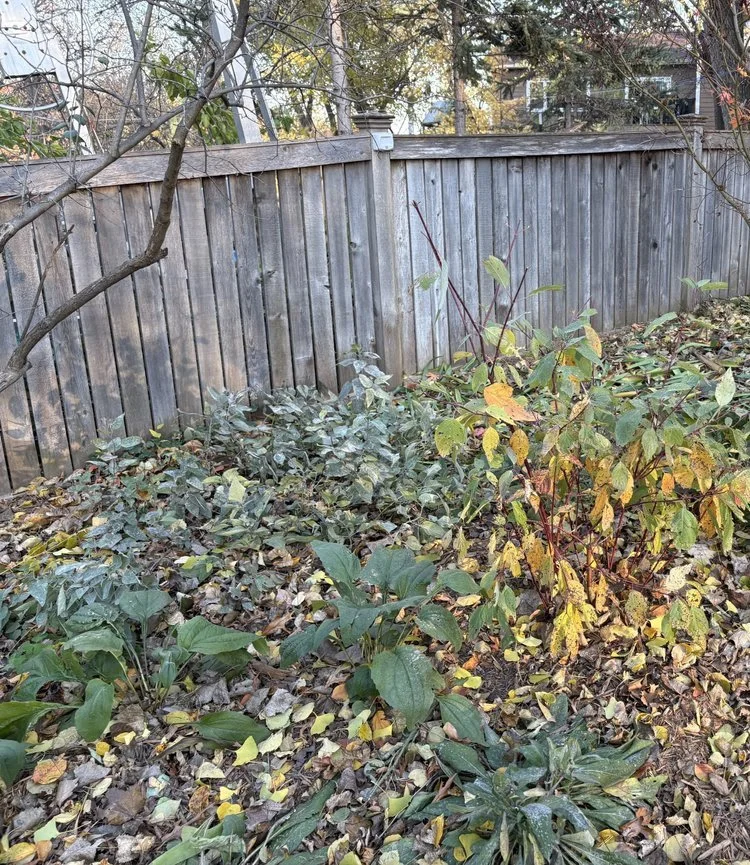
A suburban client took this advice and dutifully raked the leaves into their newly established garden bed. They were excited about how this task, along with native plants and refraining from using pesticides, was contributing to the creation of a habitat for local wildlife. I shared in this enthusiasm until I remembered the results of the soil test they received in July. The test revealed very high levels of phosphorus and potassium. These are two essential macronutrients crucial to overall plant health, however, an overabundance can be detrimental. High levels of phosphorus and potassium can result in micronutrient deficiencies. In addition, phosphorus runoff can contribute to harmful algae blooms in nearby waterways. When leaves break down, they add these nutrients to the soil. Therefore, in this location, leaving the leaves isn’t desirable. So I changed my advice and asked these clients to move leaves to the wooded area of their yard. Luckily they were good sports about it!
This example illustrates the thought process that can inform gardening practices. While there are clear practices that contribute to creating an environmentally-friendly habitat (plant native plants please!), there is no one-size-fits-all approach. Each property is unique. That’s the challenge, but also the joy!
Wondering what to do with your leaves this fall? Here are some helpful tips from the National Wildlife Federation. Also consider testing your soil - see this state-by-state list of labs. If you want support in thinking through what to do with your growing space, contact me! I’d love to work with you.