
In December 2001, I moved into my first NYC apartment with outdoor space — a large, west-facing balcony. That spring, I headed to a local nursery. I didn’t know much about plant selection at the time, so I picked what I thought looked good and popped it into my cart. I wish I had a picture of how horrible it looked. I joked that it looked like an Easter egg hunt — so many pastel colors in one place.
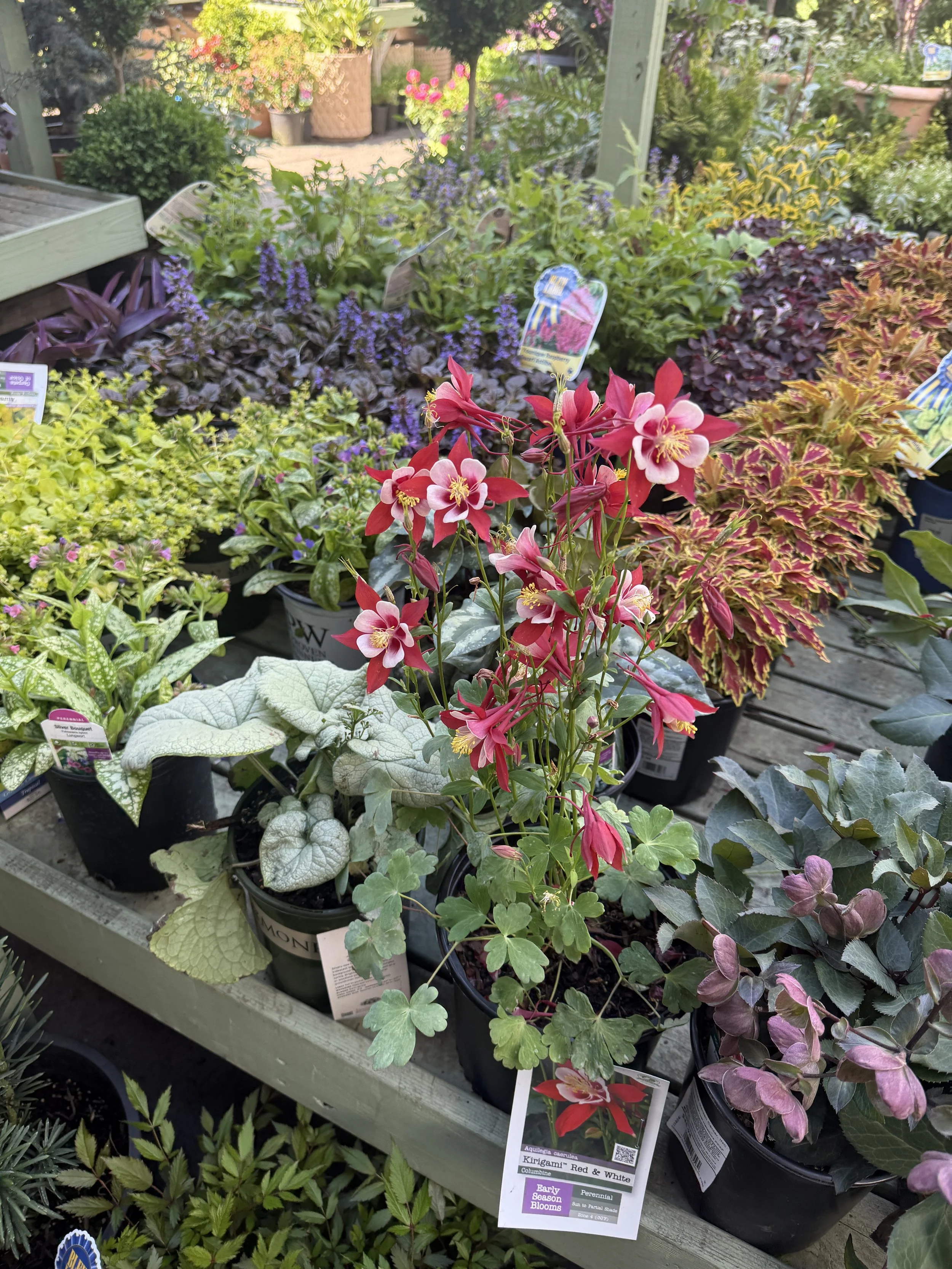
In the years that followed, I improved my plant-selection techniques, but I often repeated the mistake of racing to the nursery without a plan. Once I got there, I would feel overwhelmed and indecisive, often coming home with a plant that had seduced me but didn’t belong, or needing to make multiple trips to fill in the spaces.
Twenty-six years later, I’m much more effective with my spring shopping — not only because I understand plants and gardening better, but because I prepare and take my time while I’m there.
Here are four tips for successfully navigating your spring visit to the nursery…
1. Analyze your space and needs. Are you looking for plants for containers or for those empty spots in your garden beds? How much space do you have? Actually measure it! What are the sun conditions in these spaces? (Remember to consider the shifts in light throughout the seasons.) What are the soil conditions? Do you have access to irrigation? What’s in the surrounding area?
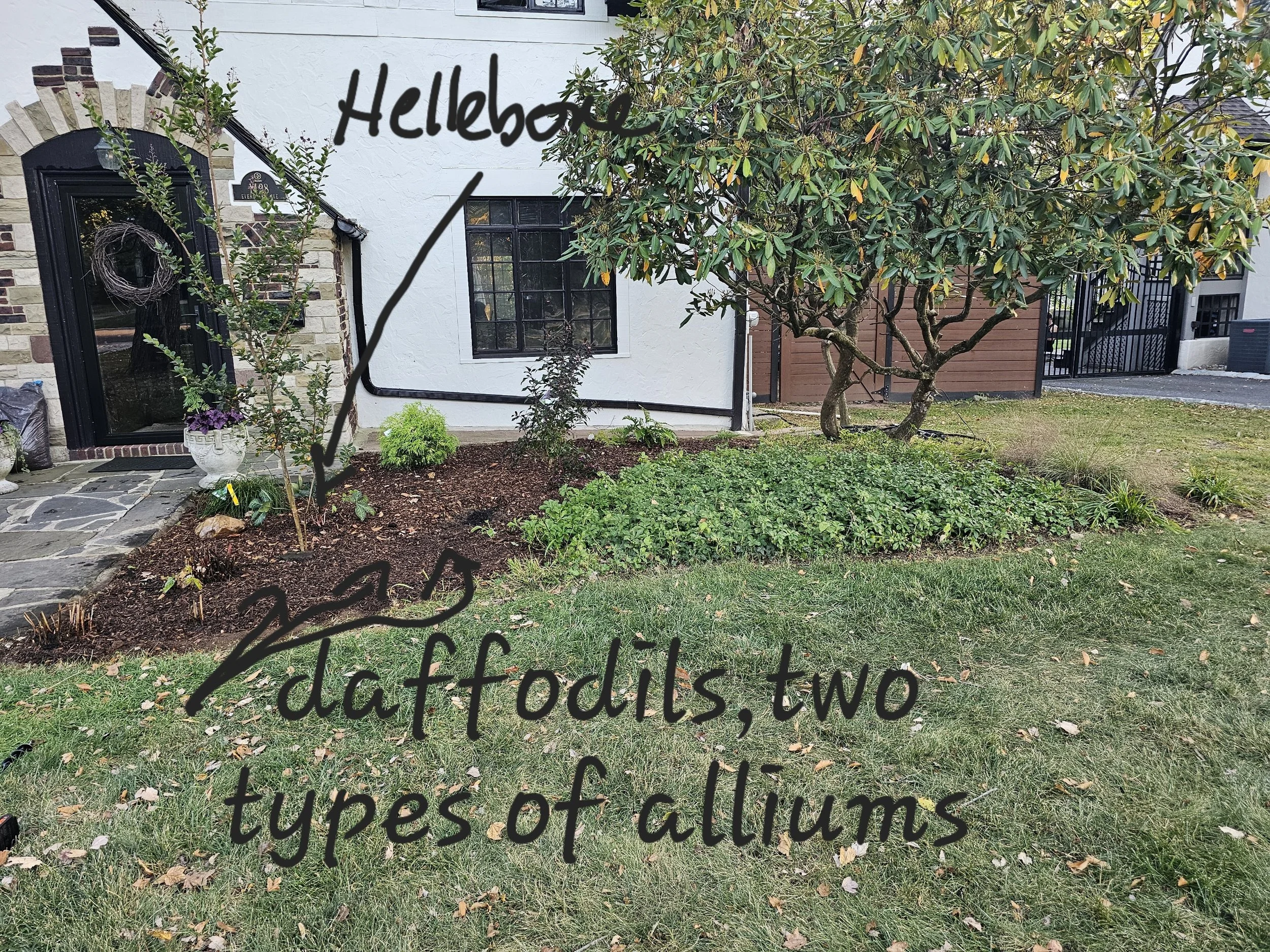
Make notes and take pictures of these spaces. You might even want to make a simple sketch or draw on a photo (like one of my clients did here). “Right plant, right place” means knowing your growing conditions so you can select plants that will thrive.
2. Plan for color. Colorful blooms are often what grab our attention and can lead to an impulse buy. Head to the nursery with a clear idea of your existing or desired garden palette so you’re not swayed by everything that’s currently in bloom (those flowers might not be around for long). Look at the tags to see the bloom color and season. Consider how the colors work with others in your garden and with the surrounding environment. Strategic use of color is a large part of what makes a garden feel intentional and evokes a desired mood.
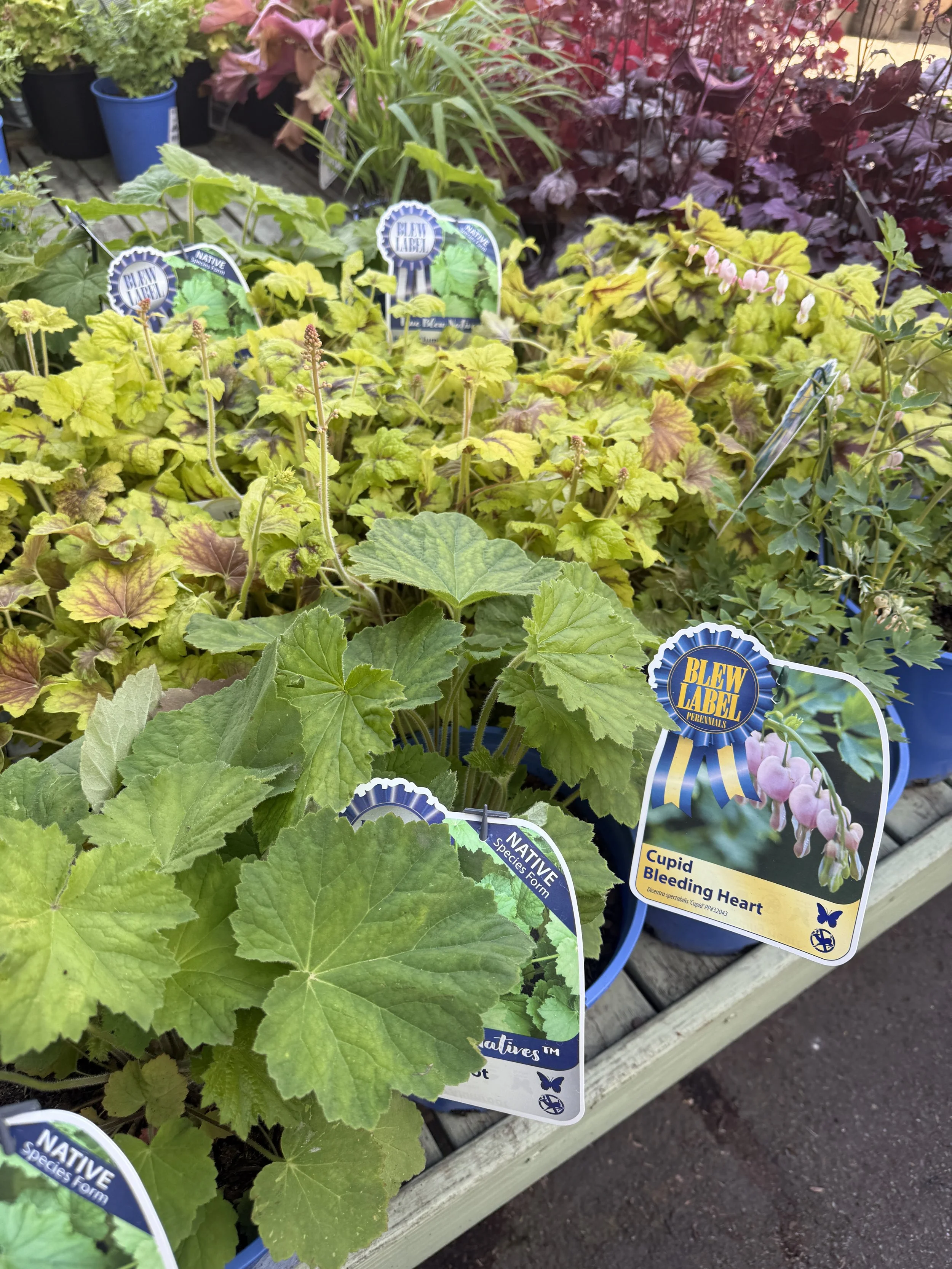
3. Less is more. You’ve probably heard of the “rule of three” in landscaping — planting in groups of three, five, or other odd numbers and using repetition to create cohesion. Of course, this rule can be broken, but in general, focusing on selecting fewer plant species and more of each kind, rather than one of this and one of that, will lead to a more successful, cohesive design.
4. Think long term. Of course, plants grow and change over time. This is where those measurements become important, along with reading the plant tags. Will that shrub outgrow the space in a year or two? Will those perennials at the front of your bed overshadow what’s behind them? Unfortunately, one thing that usually isn’t included on a plant tag is “sociability.” This refers to how much a plant will spread or reproduce. If you have a particular plant in mind and think it might be a spreader, do a little research to make sure it won’t outcompete everything around it. Planning for the long term might mean your beds look a little sparse at first. Annuals can help fill in the gaps.
This shouldn’t feel overwhelming. If you’re familiar with plants and know exactly what you want, you can write a concrete list of the species and quantities, but it doesn’t need to be that specific (and you might need to be flexible depending on what’s available). If you’re not sure exactly what you want or what the nursery will have, your list can include the measurements and sun requirements for each area, plus photos of the area. (Don’t be afraid to ask questions of nursery staff!)
Regardless of the level of detail involved in your process, taking time to plan prior to your spring plant shopping will save you time, money, and disappointment (as I experienced that spring all those years ago).