
Happy Earth Day!
April 22, 2026
Today marks the 56th Earth Day. On this day in 1970, more than twenty million people across the country participated in events, illustrating a rising awareness of environmental issues and a growing movement. High school students left their schools to join protests, college campuses hosted teach-ins, and cities saw mass gatherings.
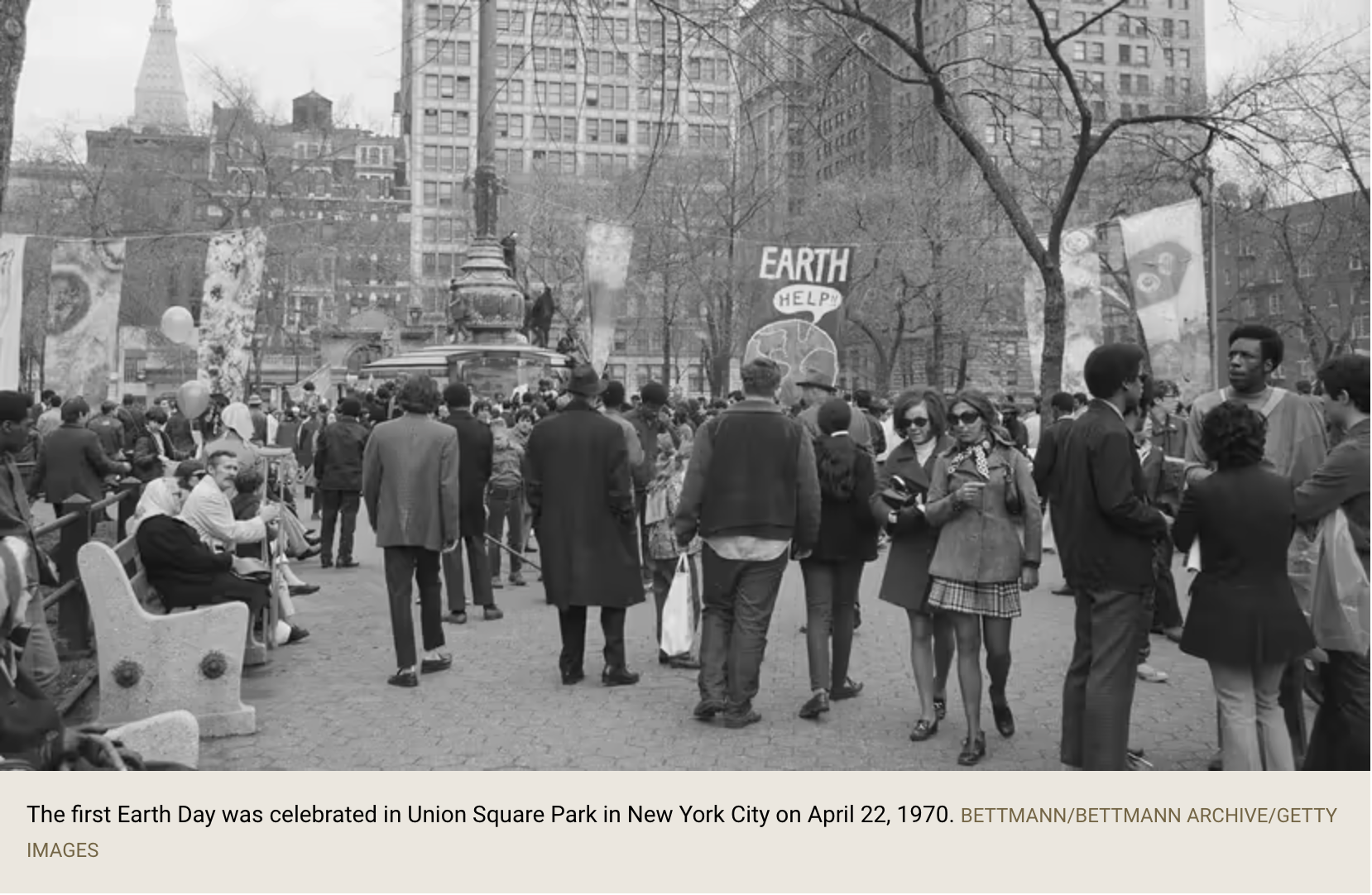
Of course awareness of the relationship between humans and the natural world reaches back millennia (especially in indigenous and non-Western cultures), but the first Earth Day serves as a reminder that collective action can make a difference, not only on public perception but on legislation (congress passed major environmental laws in the early 70s).
Despite some gains, the urgency of this work continues. There are many incredible organizations devoted to environmental activism and climate justice. I hope on this Earth Day you consider joining local efforts or supporting causes that you care about.
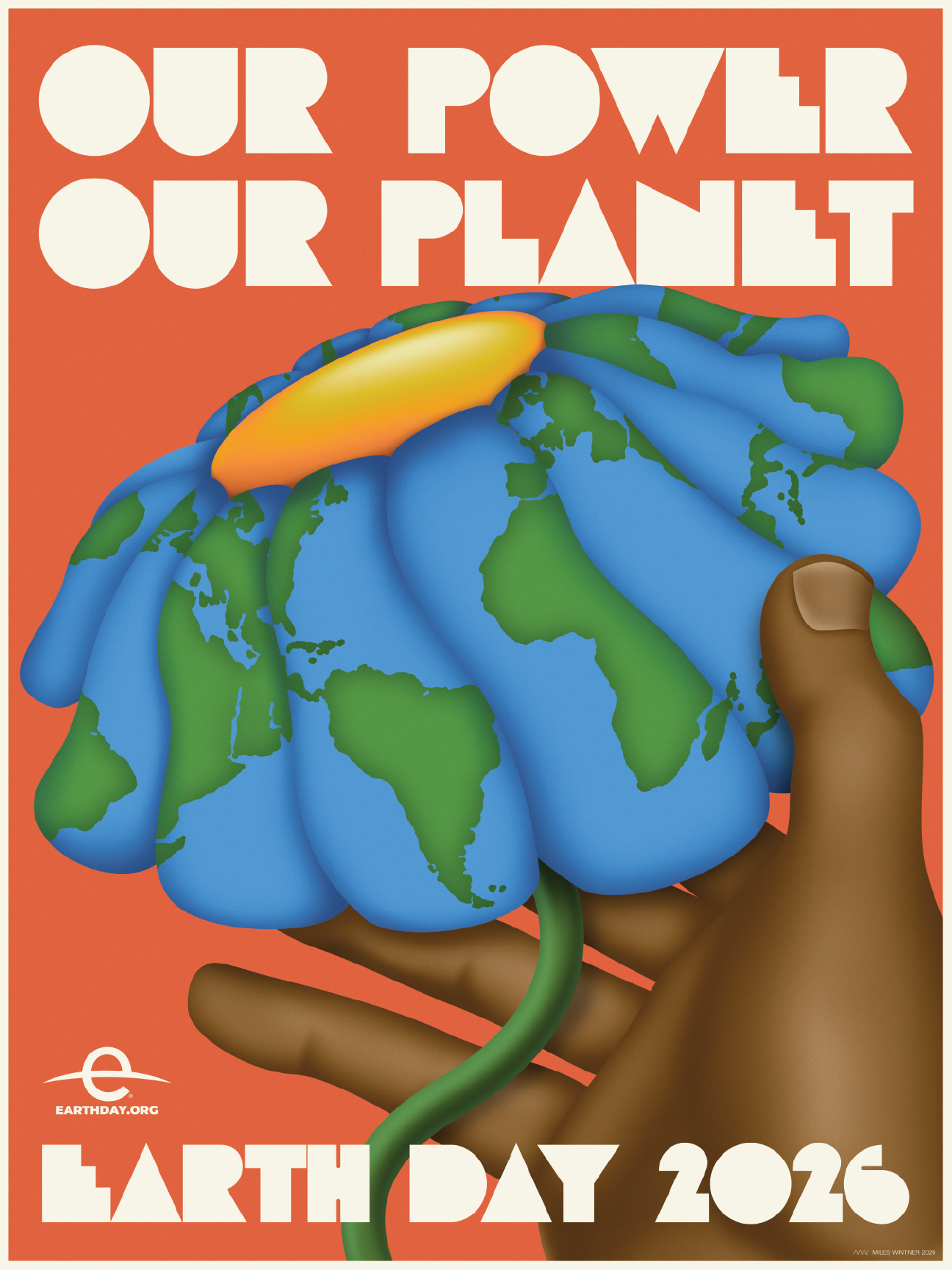
Miles Wintner, the artist for this year’s Earth Day poster says, “Flowers are perfect examples of collective power, acting as essential ecological connectors that foster harmonious relationships between birds, insects, and humans, which in turn help pollinate the world's food crops. In other words, they make the world go 'round!”
With that in mind, I want to elevate a few organizations that are focused on addressing the biodiversity crisis, one flower at a time.
https://plantbabyplant.com/ A project from Robin Wall Kimmerer centered on the slogan, “Raise a garden, raise a ruckus.” Goals include healing the land, building community and political activism.
https://www.pollinator.org/ With a mission of promoting the health of pollinators, this organization offers resources and programs across North America. I’m currently completing their Pollinator Steward Certification course and learning so much.
https://homegrownnationalpark.org/ A grassroots movement encouraging and supporting people in planting native species in service of local ecosystems. Their HNP Biodiversity Map provides a visual for how individual actions are connected to the greater whole.
Onward!